Installing a dishwasher may seem like a straightforward task, but improper installation is one of the most common causes of drainage problems, electrical failures, and water damage in kitchens.
From slow draining and foul odors to blown circuits and electrical hazards, many of these issues can be traced back to avoidable mistakes made during installation.
Whether you’re installing a new dishwasher or replacing an old one, following the right steps from the start can save you from costly repairs and safety risks. Professional dishwasher installation service of Appliance Installation Experts helps homeowners ensure their dishwashers are installed correctly, avoiding common issues.
Below are 11 essential dishwasher installation tips designed to help you prevent drainage and electrical issues while ensuring long-term performance and reliability.
1. Verify Electrical Requirements Before Installation
Before installing your dishwasher, confirm that your home’s electrical system meets the manufacturer’s specifications. Most modern dishwashers require a dedicated circuit, typically 120 volts with a specific amperage rating.
Using a shared outlet or extension cord can overload the circuit and increase the risk of electrical failure or fire. Always check the dishwasher’s manual to ensure compatibility and confirm that the outlet or hardwired connection meets local electrical codes.
2. Turn Off Power and Water Supply
Safety should always come first. Before beginning installation, turn off the power at the circuit breaker and shut off the water supply valve. Skipping this step can lead to electric shock, water leaks, or flooding during installation.
Double-check that both the power and water are fully off before handling wires or plumbing connections.
3. Install a Proper Drain Hose Loop or Air Gap
One of the most common causes of dishwasher drainage problems is improper drain hose routing. To prevent dirty water from flowing back into the dishwasher, you must install either a high loop or an air gap, depending on local plumbing codes.
A high loop keeps the drain hose elevated under the countertop, while an air gap provides a physical separation that prevents backflow. Without either method, wastewater can re-enter the dishwasher, causing odors, poor cleaning results, and contamination.
4. Secure the Drain Hose Correctly
The drain hose should be routed carefully to avoid kinks, twists, or sharp bends. Any restriction in the hose can slow drainage and cause water to back up inside the dishwasher.
Ensure the hose is securely clamped to the sink drain or garbage disposal connection, and avoid excessive hose length, which can trap debris and reduce drainage efficiency.
5. Check Water Supply Line Compatibility
Using the correct water supply line is critical for leak prevention. Many older dishwashers used rubber hoses, but modern installations should use braided stainless steel supply lines, which are more durable and resistant to bursting.
Make sure the supply line is the correct length, properly threaded, and tightened securely, without over-tightening, to prevent slow leaks that can damage cabinets and flooring over time.
6. Level the Dishwasher Precisely
A dishwasher must be level both front-to-back and side-to-side to drain properly and operate efficiently. Even slight tilting can cause water to pool inside the unit, leading to drainage issues, poor washing performance, and door leaks.
Use a level tool and adjust the dishwasher’s feet as needed before securing it in place. Proper leveling also helps reduce vibration and noise during operation.
7. Ground the Dishwasher Properly
Proper grounding is essential for electrical safety. Whether your dishwasher is hardwired or plugged into an outlet, it must be grounded according to manufacturer instructions and local electrical codes.
Improper grounding can lead to electrical shocks, short circuits, or appliance damage. If you’re unsure about grounding requirements, consult a licensed electrician to avoid serious safety risks.
8. Secure the Dishwasher to Cabinets or Countertop
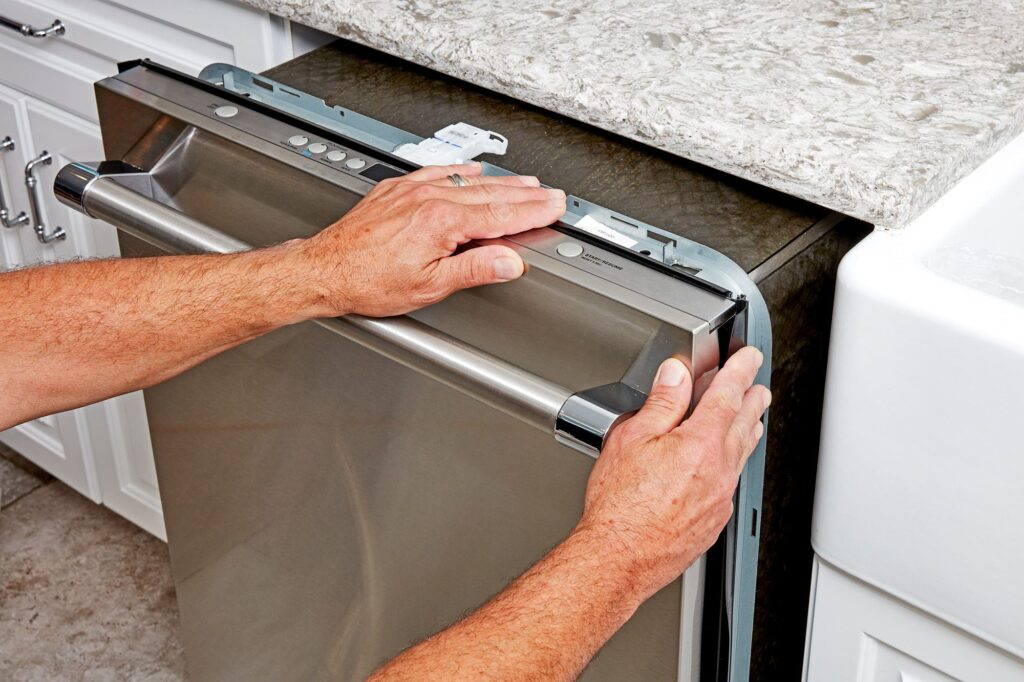
Once positioned, the dishwasher should be firmly secured to the surrounding cabinetry or countertop using the mounting brackets provided. A loose dishwasher can shift during operation, placing stress on electrical wiring and drain hoses.
Over time, movement can cause connections to loosen, leading to leaks, drainage failures, or electrical shorts. Proper anchoring ensures stability and long-term reliability.
9. Avoid Over-Tightening Electrical and Water Connections
While connections should be secure, over-tightening is a common mistake that can cause cracked fittings, stripped threads, or damaged wires. This can lead to slow leaks or electrical failures that may not be immediately noticeable.
Tighten connections until snug, then check for leaks or loose wiring during testing rather than forcing fittings beyond their limits.
10. Test Drainage Before Finalizing Installation
Before pushing the dishwasher fully into place, run a test cycle. Observe how water fills, drains, and empties during the cycle. Check under the unit and around connections for any signs of leaks.
Ensure water drains completely at the end of the cycle. Standing water or gurgling noises may indicate a drain hose issue that should be corrected before final installation.
11. Follow Manufacturer Installation Guidelines
Every dishwasher model has unique requirements for wiring, drainage, and mounting. Relying on generic installation methods can result in performance problems or warranty issues.
Always follow the manufacturer’s installation manual step by step. These guidelines are designed to ensure safety, efficiency, and compliance with product warranties and local building codes.
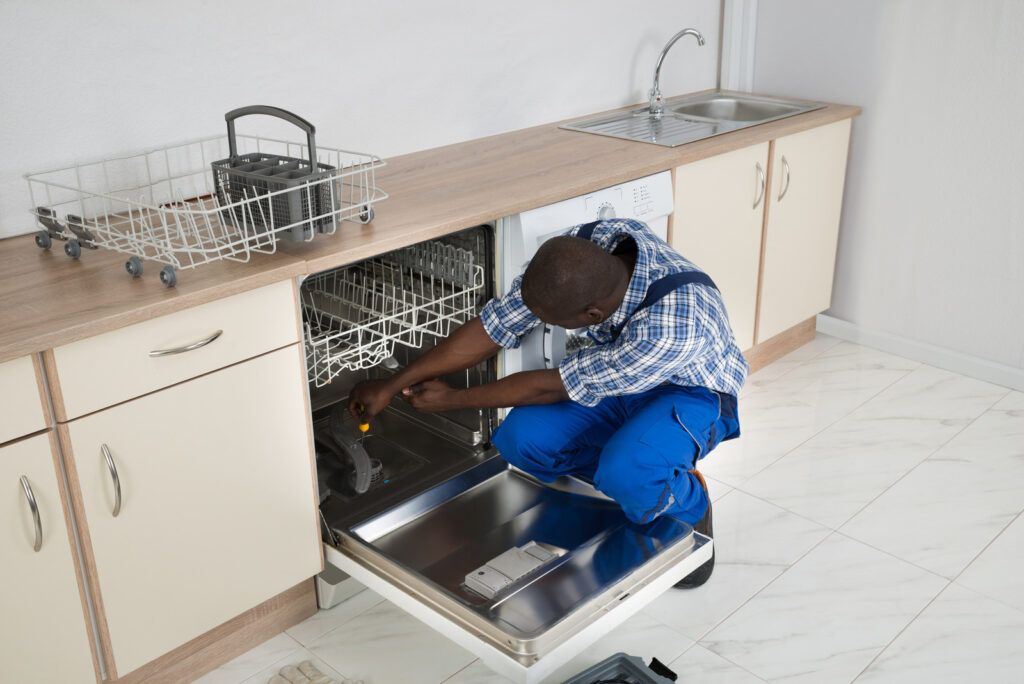
Professional Dishwasher Installation with Appliance Installation Experts
Appliance Installation Experts ensures safe, code-compliant dishwasher installation with proper wiring, grounding, drainage, and leak-free connections. Every unit is tested for reliable performance.
We are providing our professional dishwasher installation services within the following main areas:
Call us today to avoid installation mistakes and enjoy worry-free dishwasher operation.
Frequently Asked Questions (FAQs):
1. Can I install a dishwasher myself?
Yes, but improper installation can cause drainage issues, leaks, or electrical hazards. Hiring a professional helps ensure safe, code-compliant installation.
2. Why does my dishwasher not drain properly after installation?
Poor drainage is often caused by an incorrectly routed or kinked drain hose. Missing a high loop or air gap can also lead to water backflow.
3. Does a dishwasher need a dedicated electrical circuit?
Most modern dishwashers require a dedicated circuit to operate safely. Using a shared circuit can lead to power failures or electrical damage.
4. What happens if a dishwasher is not leveled correctly?
An unlevel dishwasher can cause water pooling, leaks, and poor cleaning performance. It may also increase noise and vibration during operation.
5. Is grounding required for dishwasher installation?
Yes, proper grounding is essential to prevent electrical shock and appliance damage. Grounding must follow manufacturer instructions and local electrical codes.
6. Should I test the dishwasher before final installation?
Yes, running a test cycle helps confirm proper drainage and leak-free connections. It allows you to fix issues before the unit is fully secured.
7. When should I hire a professional dishwasher installer?
You should hire a professional if you’re unsure about plumbing, electrical connections, or local code requirements. Professional installation reduces risks and ensures long-term reliability.